

I help type A girlies take back control of their fertility
Eat Your Way To Fertility
The fertility cookbook for anyone who'd rather have a plan than be told to "just relax". No restrictive diets or handfuls of supplements, just small evidence based tweaks to your diet (and the recipes to make them delicious).
Accredited practising dietitian · As seen in Harper's Bazaar
I'm Ami, an Aussie Dietitian based in Singapore. During my own struggle to conceive I went deep into the the research on fertility and nutrition, and what I found changed how I ate, and eventually how I practise.
Eat Your Way To Fertility is where all of that ended up, 85+ recipes, and a 50-page guide to what the evidence actually says about food and getting pregnant.
It's for people who'd rather understand the reasoning than be handed another list of foods to cut out. With stock in Singapore and Australia, shipping is free. Everywhere else is a flat fee of $20.
Featured in







For the self-confessed perfectionist who thought they'd be pregnant by now
What's actually inside the cookbook
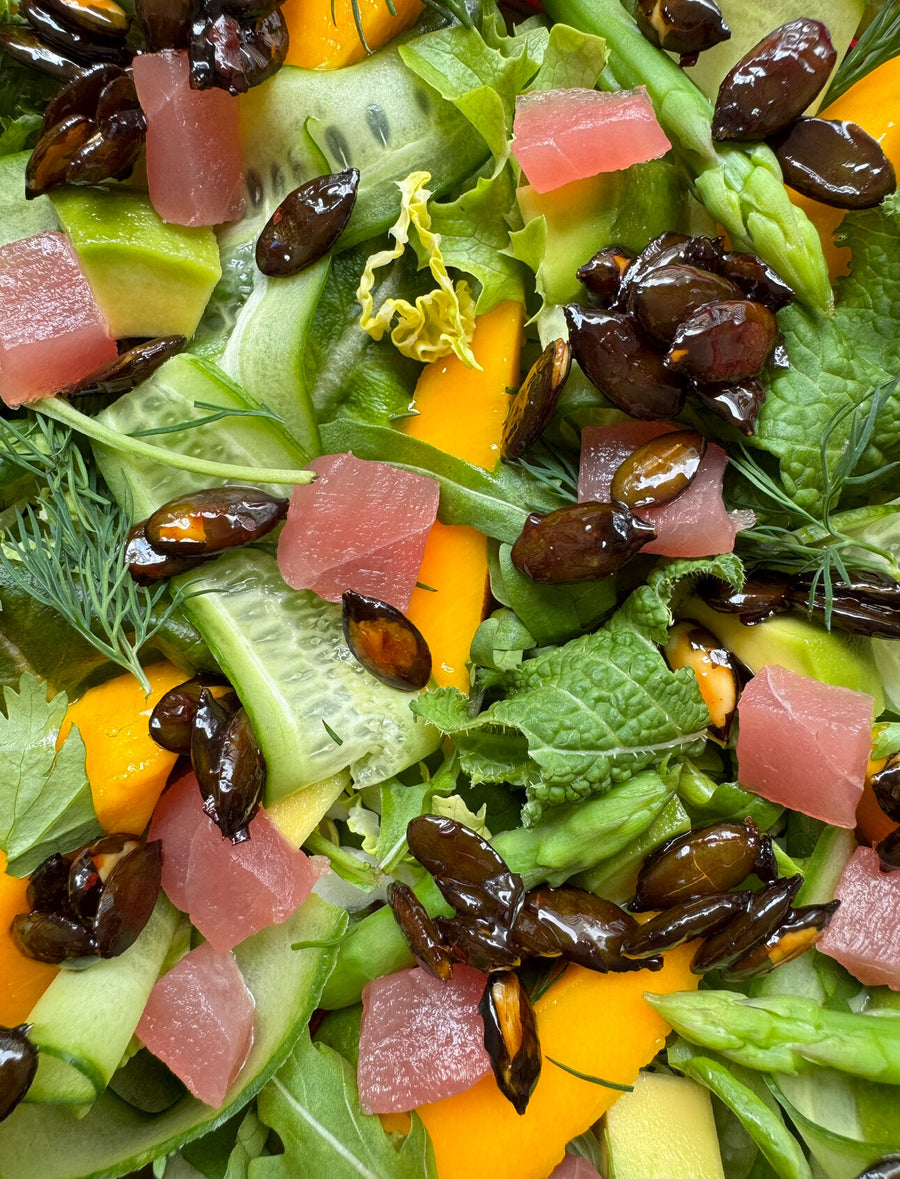
85+ recipes built around the foods that actually have evidence behind them for egg quality, optimising ovulation and cycle regularity and supporting implantation. Real dinners you'll cook on a Tuesday, not a fortnight of sad salads you'll abandon by day four.
And a 50-page easy to understand guide, telling you what the research shows (and what it doesn't) and which fertility posts that have been making you feel guilty you can completely ignore.
Every copy comes with a set of affirmation cards, for the days when the science isn't the part you need.
Recipes85+
Nutrition guide50 pages
Extent248pp flexibound
IncludedAffirmation cards
-
Print + digital — $88
Both formats, and $28 less than buying them separately. -
Digital — $38
PDF and EPUB, in your inbox in about a minute. No postage, anywhere in the world.
What readers say
From people who've cooked from it
You’ve put it very succinctly, like a systematic review. Oh man — you’ve really got me craving salads now.
Kristen, Singapore
It’s informative but also has a really positive and hopeful undercurrent. I can see it being something I lend to family and friends in the future as they embark on their TTC journeys.
Jessica, Melbourne
We’ve just sat down and read through everything together — your research is incredible. Consensus is that we’re doing very well already, but we’re upping nuts and seeds and fermented foods.
Faye, Singapore
Straight from the inbox

Meet your fertility expert
Hi, I'm Ami.
I started Foodbaby after my own struggles to start a family. I'm a Fertility Dietitian and now, mumma to two beautiful rainbow babies.
I've been where you are and remember the heartbreaking cycle of hope and disappointment, so I'll do whatever I can to help you take back control of your fertility.

Common questions
Fertility nutrition, answered
Does diet actually affect fertility?
Yes. Food affects egg and sperm health, your hormones and ovulation, and implantation, through inflammation, oxidative stress, blood sugar, your gut, and the nutrients your eggs and sperm are literally built from. One example: a study of over two million women found those with higher blood sugars took longer to conceive, even without diabetes and even within the healthy range. Of course, nothing you eat can unblock a tube or fix a physical issue. Conceiving is obviously a complex process, but small tweaks to your lifestyle can influence almost every part of it.
Do I need to cut out dairy or gluten while trying to conceive?
Almost certainly not. Unless you have coeliac disease or a diagnosed intolerance, there’s no good evidence that cutting dairy or gluten helps you conceive, and some that it hurts. In fact some studies suggest dairy may help, which tracks, as a review of 52 clinical trials found dairy is strongly anti-inflammatory. Cutting gluten can actually be inflammatory, because people tend to replace whole grains with more processed food, and gluten-free diets often run low on fibre, zinc and folate. Unnecessary restriction shrinks the variety in your diet, which is the opposite of what fertility nutrition is about.
(If you struggle with gluten, do get coeliac disease ruled out properly. It has a real impact on fertility and it’s worth knowing.)
Is soy bad for fertility?
No, and the evidence points the other way. Soy contains phytoestrogens, which is where the worry comes from, but the studies consistently show a benefit. One IVF study found the odds of a live birth were 77% higher in those eating the most soy. Another found black soybean powder improved ovulation by 27%. The idea that soy lowers testosterone has been debunked repeatedly.
What should a fertility supplement contain?
Folate, ideally started a few months before you’re trying. That one is well supported: taken one to three months before conception and through the first trimester, it reduces the risk of neural tube defects by 50 to 70%. (Ps. It matters for the person contributing the sperm too.) After that the evidence is more mixed and generally needs to be personalised. A few nutrients, like iodine and vitamin A, can actually do harm if you supplement them wrong, so please don’t build a plan from a TikTok. Read more on supplements and fertility.
How long does it usually take to conceive?
About 85% of couples conceive within a year of trying, and roughly a third within the first three months. Age shifts that more than any other single factor. If you’re under 35 and it’s been twelve months, or 35 or over and it’s been six, that’s the point to get investigated rather than keep waiting. That’s the standard clinical threshold, not a judgment call about whether you’ve waited long enough. Starting to look into diet, lifestyle and your cycles before this is worth it either way.

Free fertility recipes
Five recipes from the book, yours free
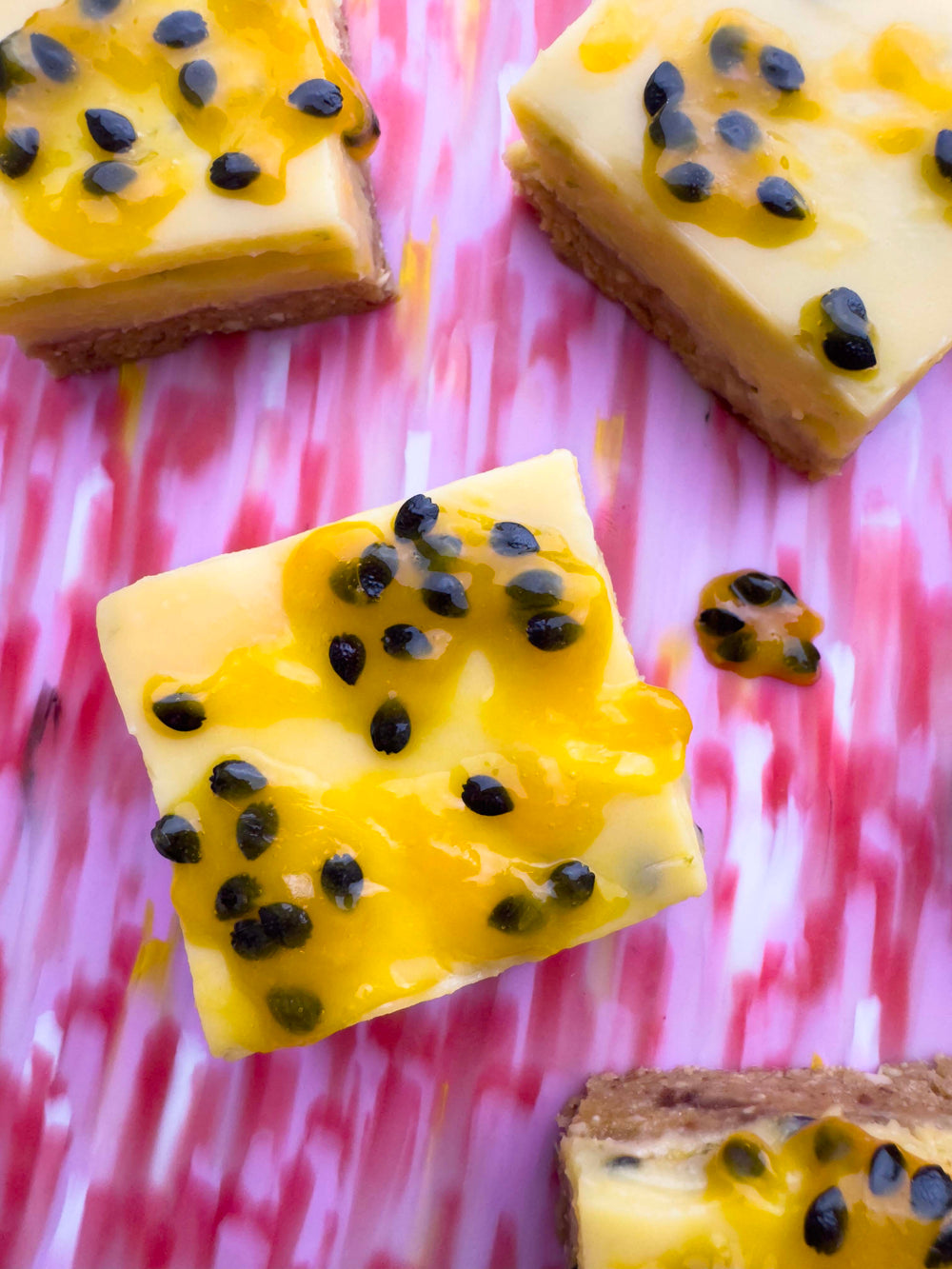
One from each section: a breaky, a veggie dinner, fish, something sweet. Real meals built around the foods with the strongest evidence behind them.
Written by a fertility dietitian · Unsubscribe any time